Book Coach
Book Coach for Memoir, Fiction, and Nonfiction
I help you uncover the emotional architecture beneath your story, revealing not just what happened, but why it matters, whether you’re writing a memoir, nonfiction, or adapting a screenplay into a novel.
Writers who work with me aren’t looking for a quick fix. They’re looking for a thoughtful creative partner who asks the right questions, listens deeply, and helps uncover the thread that connects every scene, memory, and turning point.
Whether you’re writing a coming-of-age memoir, crafting a novel, or transforming a screenplay into a book, I help you give shape to the emotional core of your story on the page. Adapting a screenplay into a book isn’t about adding more words. It’s about reimagining the story for an entirely different medium, creating the depth, interiority, and narrative experience that only a book can offer.
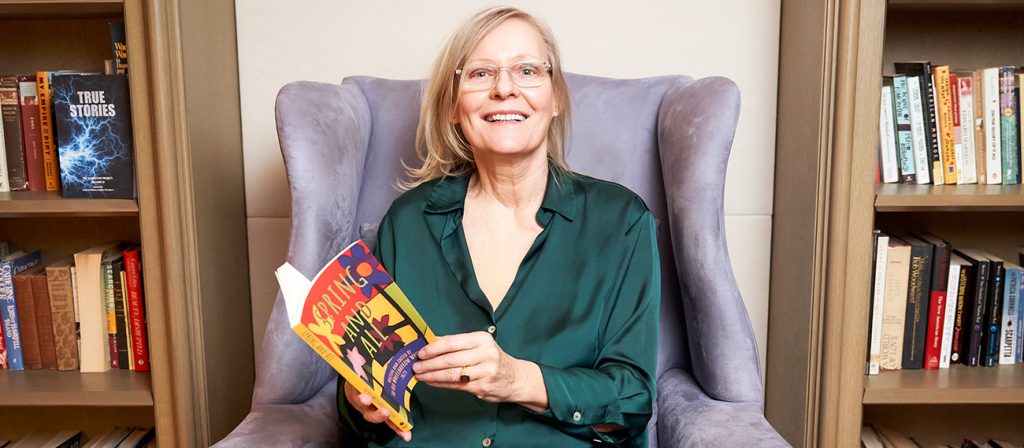
As a German-American writer, award-winning filmmaker, screenwriter, and book coach, I partner with women who are ready to shape the stories they’ve carried for years into books that matter. Some have filled notebooks. Others have explored their ideas in writing groups or screenplays. Many have held their stories quietly within themselves, waiting for the right time and the right guide.
My work across disciplines in both Germany and the United States has taught me to recognize the universal meaning hidden within personal experience and help writers create stories around the insight that gives their books lasting power.
Michaela von Schweinitz is a member of New York Women in Film and Television, Women’s Fiction Writers Association, and a founding member of Greenlight Women and Memoir Nation.




As an Author Accelerator licensed book coach, I am qualified to coach writers using Author Accelerator’s strategy, methods, and materials, but I operate independently of Author Accelerator and am not affiliated with them.
Frequently Asked Questions
What kind of books do you coach?
I work with memoir, fiction, and nonfiction, including writers who are adapting a screenplay into a novel.
For nonfiction writers who are preparing to approach agents and publishers, I also offer specialized Book Proposal Coaching focused on developing and presenting the book for the publishing marketplace.
How do I get started?
The first step is telling me about your book and where you are in the writing process through the initial questionnaire. After you submit it, I’ll invite you to a free discovery call, where we’ll talk about your book, answer your questions about the process, and figure out together whether — and which package — makes sense as your next step.
Will a coach try to change my voice or story?
The first step is telling me about your book and where you are in the writing process through the initial questionnaire. After you submit it, I’ll invite you to a free discovery call, where we’ll talk about your book, answer your questions about the process, and figure out together whether — and which package — makes sense as your next step.
What are your qualifications as a book coach?
I’m an Author Accelerator certified book coach in fiction, memoir, and nonfiction, and I operate independently of Author Accelerator. I’m also a member of New York Women in Film and Television and the Women’s Fiction Writers Association, and a founding member of Greenlight Women and Memoir Nation.
What's the difference between editing and coaching?
Editing typically focuses on the manuscript itself — line-level prose, structure, clarity, and correctness. Coaching is broader and more collaborative: it can include craft guidance, accountability, encouragement, and help navigating the emotional and practical challenges of writing a book, often across the whole process rather than a single pass on the page.
What happens after I get feedback — do I have support during revisions?
This depends on what you’ve arranged with your coach. Some engagements are a single round of feedback (like a manuscript assessment); others include ongoing support through the revision process itself. If staying connected through revisions matters to you, it’s worth confirming that upfront so you know what kind of support is included.
Do I need a finished draft before working with a coach?
No — coaches can help at any stage, from a blank page and a rough idea to a completed manuscript ready for submission. Early-stage coaching often focuses on concept, structure, and momentum; later-stage work shifts toward refining what’s already on the page.
How long should my manuscript be?
It depends on your genre. Memoir and literary fiction typically run 70,000–90,000 words; commercial fiction and thrillers often run similar or slightly longer; YA is usually shorter (50,000–80,000). Being significantly over or under your genre’s norm can work against you when querying agents or publishers, so it’s worth checking early before starting to polish your manuscript.
Something about my book feels "off" but I can't name it — can you help?
Yes — this is one of the most common things writers bring to a coach. A sluggish middle, a slow opening, or an ending that doesn’t quite land are often craft issues (pacing, structure, point-of-view, or balance between scene and reflection) a trained read can usually identify the pattern quickly, even when it’s been invisible to you.
How do I know if my manuscript is actually good enough?
This is one of the hardest things to judge on your own — after months or years with the same pages, it’s nearly impossible to see your work with fresh eyes. A manuscript assessment gives you an honest, structural read from someone who isn’t emotionally attached to every sentence: what’s working, what’s not, and what’s genuinely worth revising versus starting over. You don’t need certainty before you reach out — that’s exactly what this process is for.


